

Luxury apartments in Nairobi is changing. Buyers and tenants are becoming more selective, developers are competing in an increasingly crowded market, and expectations around design, convenience, sustainability and technology are rising. At the same time, the Nairobi apartment market is not experiencing uniform price growth, which means that simply building a more expensive apartment does not automatically make it a better investment.
The future of luxury residential development in Nairobi is therefore likely to be less about adding the largest possible number of amenities and more about delivering quality, functionality, location, efficient design and services that residents genuinely value.
This shift is already visible in the market. KNBS reported that Kenya’s overall residential property price index increased by 4.8% year-on-year in Q1 2026. However, its data also showed that apartment prices behaved differently across Nairobi’s market segments, with the Nairobi Upper and Middle apartment indices declining year-on-year while the Nairobi Other apartment index increased.
That distinction is important. Nairobi does not have one single apartment market, and the future of luxury apartments will depend heavily on the individual location, development and target buyer.
What Does “Luxury” Actually Mean in Nairobi?
Luxury has traditionally been associated with large apartments, expensive finishes, impressive entrances, swimming pools, gyms and panoramic views.
Those features can still matter. However, a luxury property is increasingly being judged by the overall living experience rather than by a list of amenities.
A genuinely high-quality development should provide things such as:
- Good architecture and functional layouts
- Quality construction and finishes
- Reliable water supply
- Reliable power backup
- Good security
- Adequate parking
- Well-maintained common areas
- Efficient lifts
- Good natural lighting and ventilation
- Well-managed waste systems
- Reasonable service charges
- Convenient access to important parts of the city
This is particularly important as competition increases.
A development can have a rooftop pool and a gym, but if residents regularly experience unreliable water, poor management, inadequate parking or excessive service charges, those amenities may not compensate for the underlying problems.
Luxury Apartments Are Likely to Become More Competitive

One of the biggest factors shaping Nairobi’s future apartment market is supply.
Current market evidence indicates that apartment supply has been putting pressure on prices in some higher-end locations. Business Daily reported in 2026 that apartment prices had fallen in several Nairobi suburbs as supply exceeded demand, with Westlands and Upper Hill among the areas recording notable declines in the period covered by the report.
Knight Frank’s Kenya market outlook similarly noted that increased supply, particularly in areas such as Westlands, creates uncertainty around absorption and pricing. It also highlighted the importance of disciplined project positioning and market research.
This has an important implication for future luxury developments.
Developers Will Need to Differentiate Their Buildings
Simply constructing another high-rise apartment building may not be enough.
Developers increasingly need to answer a basic question:
Why should someone choose this development instead of the other properties available nearby?
The answer could involve:
- Better layouts
- Better construction quality
- Better location
- Better views
- More efficient apartments
- Stronger security
- Better management
- More practical amenities
- Lower running costs
- Better environmental performance
- Stronger community facilities
In other words, competition could push developers toward real value rather than luxury branding alone.
Smaller Luxury Apartments Are Likely to Remain Important
Luxury does not necessarily mean enormous apartments.
Knight Frank’s 2026 outlook identifies a continued shift toward high-end apartment living, including smaller one-bedroom formats. The report also notes continued demand from high-net-worth individuals, expatriates and diaspora buyers for secure and well-serviced developments.
This reflects an important change in how people use Nairobi’s premium residential market.
A professional who works in Westlands may not need a 250-square-metre apartment.
An investor may prefer a well-designed one-bedroom apartment that is easier to rent.
An expatriate may value security, location and building services more than having the largest possible floor area.
Efficient Design May Matter More Than Maximum Size
Future luxury apartments are therefore likely to focus more heavily on how space is used.
A well-designed 80-square-metre apartment can sometimes provide a better living experience than a poorly planned larger apartment.
Useful design features could include:
- Open-plan living areas
- Proper bedroom separation
- Built-in storage
- Well-planned kitchens
- Functional balconies
- Dedicated workspaces
- Natural lighting
- Good ventilation
- Practical laundry areas
The emphasis is likely to shift from “How many square metres?” to “How effectively are those square metres used?”
Smart Home Technology Will Become More Common
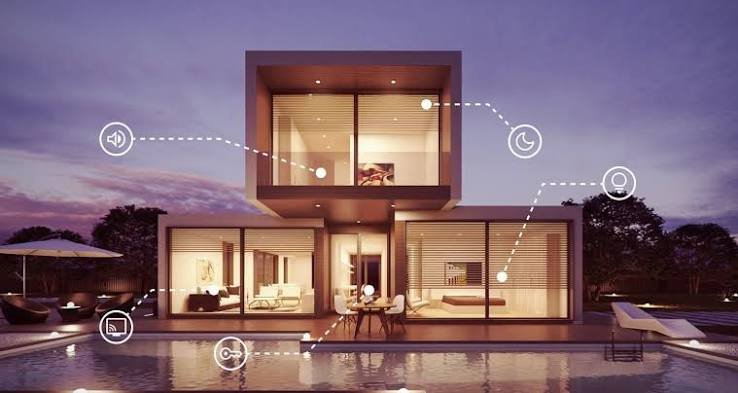
Technology is another area likely to shape the next generation of Nairobi apartments.
Smart-home features can include:
- Smart access control
- Video intercom systems
- Digital locks
- Remote-controlled lighting
- Smart thermostats
- Energy monitoring
- Automated blinds
- Building management applications
- Digital visitor management
- Smart parking systems
However, technology should solve a real problem.
A smart feature that is difficult to use or expensive to maintain does not automatically improve a property.
Building Management Technology Could Matter More Than Gadgets
One of the more useful applications of technology may actually happen behind the scenes.
Future developments could increasingly use digital systems to manage:
- Service requests
- Maintenance
- Security
- Visitor access
- Parking
- Utility monitoring
- Resident communication
- Facility bookings
This could improve the everyday experience for residents while helping building managers identify maintenance problems earlier.
The broader direction toward smart and sustainable buildings is already being discussed within Nairobi’s property sector, particularly as developers look for ways to differentiate buildings in a competitive market.
Sustainability Will Become More Important
Sustainability is likely to move from being a niche selling point to a more important part of residential development.
Kenya’s National Building Code 2024 came into force in March 2025 and includes provisions covering areas such as building quality, safety, wellness, services and construction standards.
Energy efficiency is also becoming increasingly relevant to building design.
The Kenya Green Building Society highlights energy efficiency, water conservation, sustainable materials, waste reduction and healthier indoor environments as important elements of green buildings.
What Could Sustainable Luxury Apartments Look Like?
Future developments may increasingly incorporate:
- Solar power
- Energy-efficient lighting
- Efficient water systems
- Rainwater harvesting
- Water-saving fixtures
- Natural ventilation
- Better insulation
- Efficient lifts
- Waste separation
- Sustainable landscaping
- Energy monitoring systems
The financial benefit matters as well.
If a building can reduce electricity or water consumption without compromising comfort, that can potentially reduce operating costs for residents and building management.
Therefore, sustainability should not simply be treated as an environmental issue. It can also become a cost and efficiency issue.
Energy Reliability Will Remain a Major Consideration
Technology and sustainability are important, but basic reliability will continue to matter.
For many apartment buyers, reliable electricity and water are more valuable than an impressive list of luxury amenities.
Future premium developments are therefore likely to place greater emphasis on:
- Backup generators
- Solar power
- Battery storage where appropriate
- Water storage
- Efficient pumping systems
- Building energy management
- Reliable maintenance
The most attractive technology may ultimately be the technology residents barely notice because it simply keeps the building functioning.
Health, Wellness and Natural Light Will Influence Design
The meaning of luxury is also becoming broader.
Residents increasingly want homes that are comfortable to live in rather than simply impressive to look at.
This can encourage developers to pay more attention to:
- Natural light
- Ventilation
- Outdoor spaces
- Landscaping
- Fitness facilities
- Walking areas
- Quiet spaces
- Swimming pools
- Wellness facilities
- Indoor environmental quality
The National Building Code 2024 specifically includes a section covering quality and wellness in constructed buildings, reflecting the broader importance of building quality and occupant wellbeing in modern construction standards.
Amenities Will Become More Practical
Luxury apartment developments in Nairobi already offer extensive amenity packages.
Some include:
- Swimming pools
- Gyms
- Rooftop terraces
- Children’s play areas
- Residents’ lounges
- Cinema rooms
- Business centers
- Co-working spaces
- Restaurants
- Convenience stores
- Sports facilities
But the future may not necessarily be about adding more amenities.
The Question Will Be Whether Residents Actually Use Them
An expensive amenity that receives little use still has to be maintained.
That maintenance contributes to the building’s operating costs and potentially its service charges.
As a result, future developers may focus more on amenities that match their target market.
For example, a development targeting young professionals might prioritize:
- Co-working areas
- Fast internet infrastructure
- Fitness facilities
- Social spaces
- Convenient retail
A family-focused development might instead prioritize:
- Children’s play areas
- Larger apartments
- Green spaces
- Family lounges
- Security
- Convenient parking
The future of luxury may therefore be more personalized rather than simply more extravagant.
Location Will Remain More Important Than Technology
Technology can change quickly.
Location does not.
An apartment with smart lighting cannot compensate for a poor location if residents spend hours every day travelling to work or school.
For Nairobi buyers, proximity to major employment centers, schools, shopping, healthcare, entertainment spots and transport connections will continue to influence property demand.
This is particularly relevant in areas such as:
- Westlands
- Riverside
- Kilimani
- Kileleshwa
- Lavington
- Parklands
- Karen
- Runda
- Gigiri
Browse Luxury Apartments For Sale In these Areas: Riverside, Westlands, Kilimani and Kileleshwa.
However, each neighborhood serves a different market.
A development in Westlands may appeal to a professional who values proximity to offices and shopping.
A family may prioritize Lavington or Kileleshwa.
A household looking for a larger compound and lower-density environment may consider Karen or Runda.
The future is therefore unlikely to eliminate the importance of location. If anything, location will become more important as buyers have more properties to choose from.
Luxury Apartments Will Need to Compete on Running Costs
Purchase price is only one part of the cost of owning an apartment.
Buyers also need to consider:
- Service charges
- Electricity
- Water
- Parking costs
- Maintenance
- Repairs
- Property management
- Insurance
- Property taxes and other applicable charges
A very expensive building with unusually high operating costs may become less attractive over time.
This means future luxury developments may increasingly compete on efficiency and affordability of ownership, not just the initial purchase price.
Service Charge Transparency Could Become More Important
Service charges are often overlooked when buyers compare apartments.
However, they directly affect the cost of living and can influence an investment property’s rental economics.
A future buyer may therefore ask:
- What does the service charge include?
- How much has it changed over time?
- How many staff does the building employ?
- How are common areas maintained?
- How much is spent on security?
- Is there a sinking fund?
- How are major repairs funded?
- What facilities are included?
For investors, these questions are particularly important because high operating expenses can reduce the income generated by a property.
Luxury Apartments Will Have to Deliver Better Investment Fundamentals

Luxury property is not automatically a good investment.
An expensive apartment can still experience:
- Weak rental demand
- Long vacancy periods
- High service charges
- Limited resale demand
- Strong competition from new developments
- Slow price appreciation
Current data demonstrates why investors should look beyond the word “luxury.”
Cytonn’s 2026 Nairobi Metropolitan Area residential report puts the average apartment rental yield at around 6.5% for FY2025, with average occupancy of 93.7%. However, performance varies significantly between segments and locations.
What This Means for Future Buyers
Investors should evaluate:
Purchase price + expected rent + vacancy + service charges + maintenance + financing costs + resale prospects.
A luxury apartment only makes investment sense when those numbers work.
The Market May Reward Better-Positioned Developments
The growing supply of apartments creates an important distinction.
More apartments do not automatically mean a bad market.
They do mean that buyers have more choices.
That changes the competitive environment for developers.
A development with a strong location, practical layout, reliable management, quality construction and appropriate pricing may have an advantage over a development that relies primarily on branding or an extensive amenity list.
Knight Frank’s 2026 outlook similarly points toward the importance of modern expectations around sustainability, design and community living while warning that increasing supply requires careful market research and positioning.
Community Living Could Become a Bigger Part of Luxury
Another potential direction is the development of stronger residential communities.
People increasingly work remotely or operate hybrid schedules, meaning the home can serve multiple purposes.
Future developments may therefore provide spaces for:
- Remote working
- Socializing
- Fitness
- Relaxation
- Children’s activities
- Events
- Outdoor recreation
This does not mean every building needs a massive amenity package.
Rather, the strongest developments may be those that understand how their residents actually live.
Security Will Remain a Core Part of Luxury
Security has always been important in Nairobi’s premium residential market and is unlikely to become less important.
Future developments may continue adopting:
- Controlled vehicle access
- CCTV
- Visitor management systems
- Digital access
- Intercoms
- Perimeter security
- Security personnel
- Improved lighting
However, technology should complement rather than replace good security management.
A sophisticated access-control system is only useful if the building’s overall security procedures are properly implemented and maintained.
What Could Make a Luxury Apartment More Valuable in the Future?
Several characteristics are likely to remain important:
1. Strong Location
Properties close to employment, schools, shopping and major transport routes are likely to remain attractive.
2. Efficient Layouts
Buyers may increasingly value usable space rather than simply larger floor areas.
3. Reliable Infrastructure
Water, electricity, lifts, security and maintenance are fundamental.
4. Energy Efficiency
Lower operating costs can benefit both residents and investors.
5. Good Management
A well-managed building can maintain its appeal for longer.
6. Appropriate Amenities
Amenities should serve the target market rather than simply inflate the brochure.
7. Quality Construction
Construction quality can influence maintenance costs, durability and resale appeal.
8. Flexible Living Spaces
Home offices, adaptable rooms and efficient layouts may become increasingly valuable.
9. Reasonable Service Charges
Running costs matter just as much as purchase price.
10. Strong Resale and Rental Demand
Luxury does not eliminate the basic principles of supply and demand.
What Could Go Wrong With Nairobi’s Luxury Apartment Market?
A realistic outlook also needs to consider the risks.
Oversupply
If developers continue adding apartments faster than demand grows, some developments may struggle with sales, rentals or resale values.
Current evidence already shows supply pressure in parts of Nairobi’s apartment market.
Overpricing
A building can be marketed as luxury without the surrounding market supporting its asking price.
High Service Charges
Expensive amenities and large common areas can increase operating expenses.
Poor Management
Even a well-designed development can lose appeal if maintenance and management are weak.
Changing Buyer Preferences
Buyers may increasingly prefer houses, townhouses, smaller apartments or different locations depending on economic conditions and lifestyle requirements.
Recent reporting has already identified increased preference for standalone units in parts of the Nairobi market.
Will Luxury Apartments in Nairobi Become More Expensive?
There is no reliable basis for saying that every luxury apartment in Nairobi will become more expensive.
That is an important distinction.
Kenya’s overall residential property index increased year-on-year in Q1 2026, but apartment performance differed significantly between Nairobi segments.
Therefore, future price performance is likely to depend on factors such as:
- Location
- Supply
- Demand
- Development quality
- Purchase price
- Rental income
- Economic conditions
- Financing costs
- Infrastructure
- Buyer preferences
Some properties may appreciate, while others may remain flat or decline.
The idea that simply buying a “luxury” apartment guarantees capital appreciation is not supported by the market evidence.
What Will Luxury Apartment Buyers Look For in the Future?
The future buyer is likely to ask more detailed questions.
Instead of simply asking:
“What amenities does the building have?”
buyers may increasingly ask:
“How much will it cost me to live here?”
“How reliable is the building?”
“How well is it managed?”
“What is the rental demand?”
“How much competition is there nearby?”
“How efficient is the apartment?”
“What will this property be worth when I eventually want to sell?”
These are more fundamental questions, and they are likely to become increasingly important as Nairobi’s apartment market becomes more competitive.
Frequently Asked Questions About the Future of Luxury Apartments in Nairobi
The market is likely to become more competitive, with greater emphasis on quality, efficient design, technology, sustainability, security, building management and genuine value. Increasing apartment supply means developers will need to differentiate their projects carefully.
There is evidence of continued demand for secure and well-serviced high-end residential developments, including from high-net-worth individuals, expatriates and diaspora buyers. However, demand will vary by location, price and property type.
Smart-home and digital building-management features are likely to become more common as developers use technology to improve security, convenience, energy management and resident services. However, useful implementation matters more than simply adding technology for marketing purposes.
Sustainability is likely to become increasingly relevant as energy efficiency, water conservation and resource efficiency become more important in building design. Kenya’s current building regulations and green-building initiatives provide a stronger framework for these considerations.
Some can be, but the word “luxury” does not guarantee investment performance. Investors should assess purchase price, rental demand, rental yield, vacancy, service charges, maintenance, financing and potential resale demand.
Final Thoughts
The future of Luxury apartments in Nairobi is unlikely to be defined by bigger buildings, higher prices or more amenities alone.
The market is becoming more competitive, and buyers have more options. At the same time, current market data shows that apartment performance varies considerably across Nairobi’s different segments.
That creates a more demanding environment for developers.
The luxury apartments that stand out in the future are likely to be those that combine good locations, thoughtful architecture, efficient layouts, reliable infrastructure, strong security, sensible running costs, useful technology and sustainable design.
For investors, the fundamentals will remain just as important as the finishes. Rental demand, purchase price, service charges, vacancy, supply and resale prospects will continue to determine whether a property performs well.
Ultimately, the future of luxury residential property in Nairobi is not simply about creating more luxurious buildings.
It is about creating better places to live, with value that can be understood beyond the marketing brochure.
Looking for luxury apartments in Nairobi? Habari Homes can help you explore available apartments across Nairobi’s established residential neighborhoods. Contact info@habarihomes.com or +254100888899 to discuss your requirements.



Join The Discussion